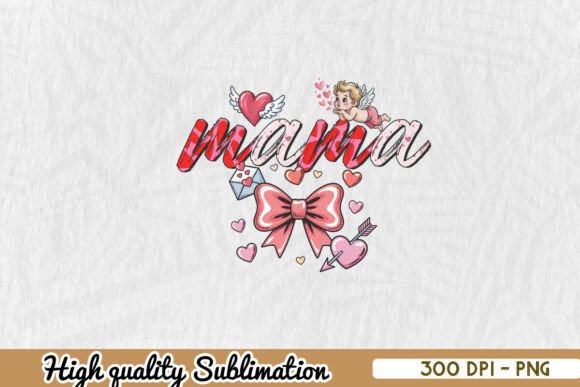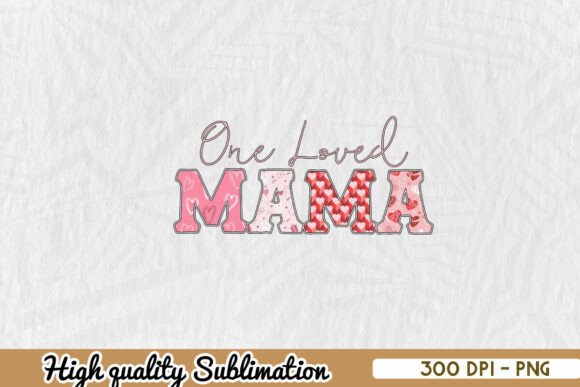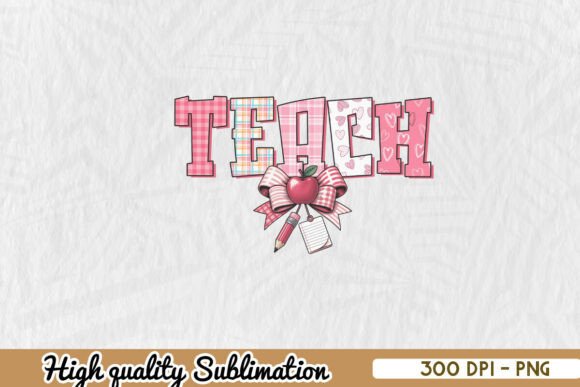
Coquette Teacher Valentine Embroidery Design Review
When I pull up a new embroidery file for review, my first question is always, “Where does this belong?” I’m looking beyond the screen, imagining the texture of stitches, the fabric it will live on, and the person who will eventually own it. The Coquette Teacher Valentine PNG design landed in my queue recently, and I wanted to walk through that exact process of practical evaluation. This isn’t about the digital file on its own; it’s about the real-world products it can become.
First Impression: A Sweet and Approachable Mood
The theme is immediately clear: a playful, affectionate nod to educators. The “coquette” style suggests a soft, feminine, and slightly vintage charm, which sets a specific mood. This isn’t a bold, graphic statement; it’s a gentle, appreciative one. For an embroidery designer, that mood translates directly into project selection. I instantly pictured it on lighter fabrics—a soft cream sweatshirt, a pastel apron, or a linen pillow cover for a teacher’s lounge. The layout and detail level feel intentionally simple, which is a strength. It promises clean stitching without overly dense areas that could pucker on thinner materials.
The Natural Home for This Design
So, where does it belong? I considered a real scenario: preparing a custom gift for a teacher’s appreciation week. A tote bag was my first thought. The design’s personality fits a useful, everyday item a teacher might carry. The scale felt right for a bag’s panel, offering visibility without overwhelming the fabric. A baby item, like a bib or a small blanket for a teacher’s new baby, also came to mind—the sweet theme aligns perfectly with that giftable intent. For small business owners, this design could anchor a seasonal product line: embroidered tea towels, framed hoop art, or even a simple patch applied to a denim jacket. Its appeal is niche but heartfelt, which is excellent for targeted Etsy listings or craft fair products.
Performance on Real Projects: A Closer Look
Moving from imagination to execution, how would this embroidery file perform? On a sweatshirt, the key would be stabilizer choice. The likely use of satin stitch for lettering and decorative elements requires a firm foundation to prevent sinking into the fleece backing. On a tote bag made of canvas, it would stitch out cleanly, but I’d advise testing the stitch density on a scrap first. Canvas is robust, but very dense fills can create a stiff, board-like feel.
For custom apparel like t-shirts, careful fabric selection is crucial. I would avoid very thin or stretchy jersey unless using a heavy cut-away stabilizer. The design’s charm relies on clarity, and distortion on a stretchy fabric would diminish that. On the other hand, a woven cotton apron or a kitchen towel would be an ideal, forgiving canvas. The design’s theme elevates a simple utilitarian item into a personalized gift.
Where to Exercise Caution
Every design has its optimal applications and its risky ones. For the Coquette Teacher Valentine PNG, I’d be cautious on a few fronts. First, very small hoop sizes. If the design has any tiny lettering or intricate decorative accents, scaling it down excessively could make those details blur into a messy thread blob. Second, textured fabrics like bouclé or looped terrycloth—the texture fights against the design’s clarity. Third, dark fabric backgrounds. While it can work, the visual appeal relies on a soft, light feel; on a black fabric, you’d need very bright, high-contrast thread colors to maintain that mood, which might alter the intended aesthetic.
Applying it to curved surfaces like caps requires checking the design’s layout. Are elements spaced well to accommodate the cap’s curvature without awkward gaps or crowding? And for products needing frequent washing, like baby clothes, consider using a tighter fill stitch and robust threads to ensure longevity. The handmade presentation should last.
Impact on Value, Trust, and Engagement
From a commercial perspective, using a design like this affects more than just the product. It affects customer perception. A well-executed embroidery of this theme on a handmade product speaks to attention to detail and emotional intelligence—you’re offering a product that matches a specific sentiment. That builds customer trust. For a creative entrepreneur, it can enhance brand consistency if you specialize in appreciative, gift-focused items. The “giftability” is high, which directly influences buyer engagement. A customer looking for a teacher gift isn’t browsing generically; they’re searching for this exact vibe. Your product, if well-made, meets that need precisely.
Practical Designer Notes Before You Stitch
Before you run this design for a client project or your next small shop product, here’s my checklist. Always test the design on scrap fabric first, using the same material and stabilizer you plan for the final product. Check thread color contrast against your background fabric. Review the stitch density in the file if possible; are there large solid fills that might require compensation? Confirm the hoop size needed and inspect any small details by stitching a sample. It’s also wise to test the design concept in a black and white mockup to see if the composition holds up without color.
For commercial use, the most critical step is to confirm the licensing terms of the digital embroidery file. The product description mentions it’s for creating your own projects, but you must verify if selling finished items or digital product previews is permitted. Never assume. This protects your business and respects the designer. Also, consider how the design will look in a printable mockup for your online shop—does the embroidered texture translate well in a photo?
Finally, think about versatility. Could this design work as an applique design element, perhaps with a fabric heart? Could the lettering be done in a running stitch for a more casual look on a pillow cover? Exploring these adaptations makes a single graphics asset more valuable for your craft business.
A Design for Meaningful Making
The Coquette Teacher Valentine PNG isn’t a flashy, all-purpose graphic. Its value lies in its specific, heartfelt application. In my judgment, it’s a strong choice for makers focusing on personalized gifts, niche holiday products, and items that carry a message of appreciation. When stitched with care on the right foundation, it transforms from a Crafts category file into a finished product that feels considered and kind—which, in the world of handmade, is exactly what creates a lasting impression.