I Love God: A Graphic Asset for Craft-Based Brands
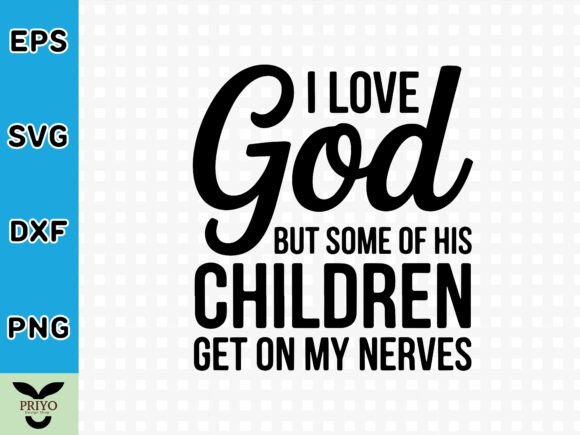
First impressions are everything in marketing. When I opened the file for I Love God but Some of His Children Get On My Nerves, my immediate reaction was a smile. This isn't a sterile corporate logo; it’s a conversational, relatable piece of creative design. The mood it establishes is one of authentic, slightly humorous self-expression. It feels perfect for casual branding, lifestyle content, and products that connect on a personal, emotional level.
Matching the Design to Real Campaign Moods
For a brand designer, the emotional tone of a graphic design asset dictates its entire application. This design brings warmth and wit. Imagine a small business launching a line of handmade mugs or a content creator building a kit around faith-based, real-life topics. This SVG could serve as the central visual hierarchy element for a campaign, creating an instant emotional connection with an audience that values authenticity over polish.
Where This Asset Elevates Your Marketing Visuals
In practical application, I Love God but Some of His Children Get performs exceptionally well in specific contexts. For social media graphics, especially Instagram posts and Pinterest pins, it acts as a bold, engaging focal point. It can transform a simple Canva template for a blog graphic or email banner into something distinctly memorable. Consider it for product labels on craft items, as a decorative accent on packaging design, or as a hero graphic for a digital ad promoting a relatable digital product.
- Hero Graphics & Campaign Headers: Its clear statement makes it ideal for landing pages or campaign launches.
- Branded Templates: Integrate it into reusable layouts for social media covers or newsletter headers.
- Product Launch Visuals: Use it on mockups for t-shirts, mugs, or prints to showcase the final product.
- Content Bundles & Lead Magnets: It can add visual interest to downloadable kits or media kits for bloggers.
- Promotional Banners & Event Flyers: For casual events or community gatherings, it sets a friendly, open tone.
Practical Notes for Professional Branding Use
While versatile, a brand designer must apply this with strategic care. Always test it with your brand color palette. Check its readability in black and white for situations like print economics. Before finalizing, place it inside real campaign mockups – preview it on mobile screens to ensure the message holds at small sizes. Compare it against competitor visuals to ensure it stands out without looking cluttered.
Font pairing is crucial. This design likely pairs best with a clean sans serif font for supporting text, or a complementary script font for a more crafted feel. Avoid pairing it with an overly bold display font that might compete. Review the spacing and balance when you add it to a layout; it should anchor the design, not overwhelm it. Finally, and most critically, confirm the commercial licensing before using it in paid campaigns, client work, or permanent business branding.
Contexts Where This Asset Requires Careful Consideration
This is not a one-size-fits-all illustration. Its use should be avoided in formal corporate branding where a more neutral tone is required. It may struggle in dense information layouts or text-heavy ads, as it could distract from the core data. On low-contrast backgrounds, its impact may be lost. For overly minimal brands, its conversational style might clash with the aesthetic. The key is to ensure the asset supports, not competes with, your main message.
Supporting Core Marketing Goals with a Single Design
When used correctly, I Love God but Some of His Children Get directly supports fundamental marketing objectives. It creates a stronger first impression by being immediately engaging. It provides a clearer visual hierarchy by offering a dominant, readable element. By consistently using it across social media graphics, website headers, and printable promotions, you build more consistent branding. This consistency leads to better audience trust and stronger recognition.
For a small business branding itself around crafts or community, this asset can improve product presentation on Etsy or at a market stall. The professional appearance it brings when well-integrated fosters better engagement. Ultimately, it helps build more memorable campaign visuals, whether for a seasonal offer or a new product line in the creative marketplace.
Integrating the Asset into a Real Content Workflow
Let’s frame this around a real project: a creative entrepreneur is refreshing their social media visuals for a faith-inspired lifestyle blog. They need a cohesive set of Pinterest pins, Instagram posts, and a header for their upcoming email series. I Love God but Some of His Children Get becomes the cornerstone design asset. They use it as a watermark on their video content, the focal point of their editorial design for a blog post, and as the graphic on their free downloadable lead magnet. This creates a unified look across their content marketing, making their brand instantly recognizable and emotionally resonant.
For another example, a digital seller preparing a digital campaign for a new line of SVG files for crafters. They use this design itself in their promotional Facebook ads and as imagery on their sales page. It demonstrates the product's application while simultaneously acting as the campaign's visual hook. This dual-purpose use showcases the asset’s versatile design nature perfectly.
In conclusion, from a brand and content marketer’s perspective, this graphic is a potent tool. It’s a modern design that speaks directly to a specific, engaged audience. Its strength lies in its authenticity and clarity. By applying it with the practical considerations outlined—mindful of context, pairing, and licensing—it can significantly enhance the professional branding and marketing effectiveness of any creator, blogger, or small business owner operating in the personal, craft, and lifestyle spaces.