Reviewing the Caffeine and Chaos Graphics Craft for Publishers
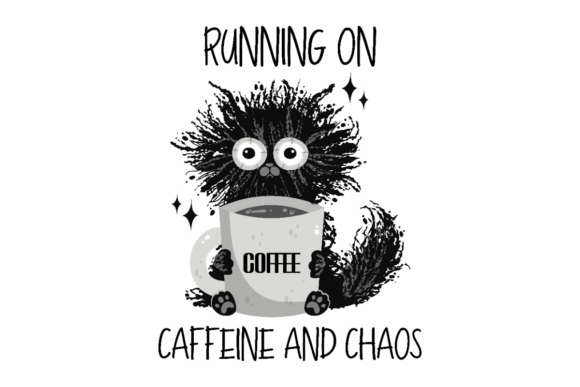
When you’re a digital publisher curating the visual tone of your website, the first impression of a design asset is critical. The moment I saw the Caffeine and Chaos graphic, I knew it was a specific editorial mood maker. It depicts a hilariously wild-eyed, frizzy-haired black cat clutching an oversized white coffee mug, its fur standing completely on end. The character’s wide, bloodshot eyes and frenetic energy instantly communicate a high-voltage, relatable chaos. This isn’t a subtle, minimalist piece; it’s a bold, playful, and conversational graphic design asset.
The Editorial Mood and Niche Alignment
This design creates an immediate sense of humor and shared experience. It feels lifestyle-focused, deeply relatable, and unapologetically playful. It naturally supports content niches centered around coffee culture, creative work, freelance life, motherhood, homeschooling, crafting, and any blog or publication that embraces the beautiful mess of daily routines. The mood isn’t corporate or austere; it’s artistic, decorative, and human. For a reader, seeing this on a blog post or newsletter signals that the content ahead will likely be approachable, humorous, and honest—building a quick bridge of trust through visual empathy.
Real-World Publishing Applications
In a practical publishing workflow, Caffeine and Chaos translates into numerous high-impact visuals. Its strong central character and clear focal point make it exceptionally versatile.
- Blog Featured Images & Article Headers: As a hero image, it sets a perfect tone for posts about “Monday Motivation,” “Creative Burnout,” or “Homeschooling Hysteria.” It creates a stronger first impression than a generic stock photo.
- Pinterest Graphics & Social Media Previews: For Pinterest pins and social media graphics, this design is click gold. The expressive cat and large mug create a clear visual hierarchy that stands out in a crowded feed, boosting click-through potential for related content.
- Newsletter Banners & Email Graphics: Placing this at the top of a weekly update for your creative community instantly personalizes the communication.
- Downloadable Resources & Lead Magnets: It’s ideal for wrapping digital guides, worksheets, or printables on topics like “Managing Creative Chaos” or “Coffee-Lover’s Productivity Planner.” Using it on an eBook cover or digital product adds a cohesive, professional-looking layer to your content marketing.
- Category Thumbnails & Website Banners: For a blog category dedicated to “Daily Life” or “Creative Tips,” this graphic serves as a brilliant, consistent branding anchor, improving reader recognition.
- Canva Template Integration: Imported into Canva, it becomes the foundation for a suite of templates—social media posts, digital ad visuals, affiliate content banners—ensuring a stronger visual identity across all your platforms.
Supporting Content Performance and Professional Polish
Using a distinctive asset like this goes beyond decoration. It directly supports performance. A unique graphic establishes clearer visual hierarchy on a content page, guiding the reader’s eye immediately to the supportive imagery. This improves reader trust; a site using custom, thoughtful visuals feels more curated and authoritative than one using repetitive stock art. For affiliate marketers or small business owners, this polish translates to a more credible presentation of recommended products or services.
It fosters more consistent branding. Once this cat becomes associated with your “Chaos & Coffee” series, readers will recognize that content instantly, whether on your site, in your newsletter, or on Pinterest. This repetition builds a mini-brand within your larger digital publishing ecosystem.
Optimal Use Cases for Maximum Impact
This graphic works best in applications where its energy and detail can shine.
- Hero images and large article headers on blog posts.
- Tall, vertical Pinterest pins where the full composition is visible.
- Blog graphics used as editorial accents within longer articles.
- The cover visual for content upgrades and downloadable resources like PDFs.
- Newsletter headers for themed editions.
- Social media preview images linked back to your site.
Considerations for Careful Implementation
As with any bold commercial design, context is key. There are places where Caffeine and Chaos should be used thoughtfully.
- Very small mobile thumbnails: The fine details of the fur and eyes might become lost, reducing readability.
- Text-heavy blog images: Overlaying lengthy text directly onto the busy, high-detail area could create a busy layout and hurt readability.
- Low-contrast backgrounds: Ensure the background you place it on provides enough contrast for the black cat to pop.
- Serious professional niches: It may not align with the tone of a corporate law blog or a financial advisory website.
- Minimalist visual systems: If your entire site is built on clean lines and serene photography, this high-energy piece might feel discordant.
Practical Publisher Notes from the Trenches
Before hitting publish, run these real-world tests.
- Test on desktop and mobile screens to see how it scales. Does it remain compelling on a phone?
- Check how it looks as a thumbnail in your blog’s sidebar or recent posts grid.
- Preview it inside a real blog layout beside your headline. Try it with different font styles: a bold sans-serif for modern blogs, a friendly serif for traditional ones, or even a playful script font for extra personality.
- Test contrast and readability. If you add text, ensure it sits clearly on a less detailed area of the graphic.
- Review file size for web performance. Always compress the image properly to maintain fast page load times.
- Confirm commercial licensing. Before using it on monetized websites, affiliate pages, or paid digital products like eBooks, verify the license permits such commercial use. This is a non-negotiable step for professional digital publishers.
Ultimately, the Caffeine and Chaos craft graphic is a powerful tool for bloggers, content creators, and creative entrepreneurs. It injects personality, builds visual consistency, and elevates the perceived quality of your editorial content and digital products. When deployed strategically within your publishing workflow, it turns ordinary posts, pins, and printables into memorable, clickable, and trusted pieces of content.