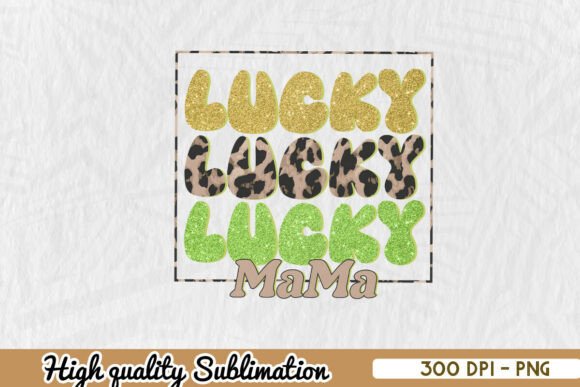
The Trendy Lucky Mama PNG for Embroidered Projects
First Impressions: A Warm and Playful Design
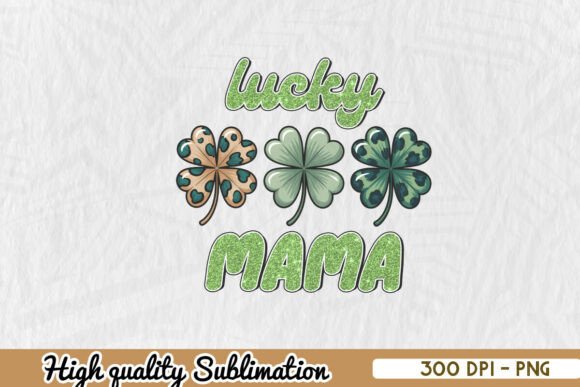
When I first opened the Trendy Lucky Mama Sublimation PNG, I felt a sense of cheerful warmth. It’s a design that has an immediate personality—not overly formal, but celebratory. The layout suggests a central graphic element with supporting text, which is ideal for embroidery because it creates a clear focal point. The theme is clearly personal and affectionate, perfect for projects celebrating motherhood or family. The level of detail looks manageable, with shapes that appear well-defined, meaning they should translate into clean satin stitch borders or fill stitch areas without becoming a dense, thread-heavy nightmare. It naturally belongs to projects meant as gifts or personalized keepsakes.
Where This Design Thrives in Real Projects
Thinking about my next client order, a custom baby announcement tote bag, this design jumped out as a candidate. It would sit perfectly centered on a canvas tote, with the text offering a sweet message. For small business owners crafting boutique merchandise, this design would elevate a simple sweatshirt or a cozy blanket into a thoughtful “Lucky Mama” product line. As an Etsy seller, I imagine it embroidered on a linen pillow cover for nursery decor or as a detailed patch on a denim jacket. Its appeal is broad: it works for holiday gifts like Mother’s Day, for personalized baby clothes, and even for kitchen towels or aprons as a fun gift for a new parent. The graphic nature of the file means it also serves well in creating printable mockups for your online listings, giving customers a clear preview of the final embroidered product.
A Scenario: Crafting a Boutique Embroidered Apron
Let’s walk through a real scenario. I’m preparing a small batch of embroidered aprons for my craft fair booth. I select a sturdy, natural-colored cotton apron. The Trendy Lucky Mama design feels right for this—it’s a product a customer might buy as a gift. I consider placement: upper chest or pocket? The layout likely allows for either. I think about thread colors: contrasting tones to make the message pop on the fabric. This isn’t just a decoration; it’s adding value and a handmade touch that increases the product’s perceived worth and builds customer trust in my brand’s consistency.
Careful Application: Where to Pay Attention
Not every project is ideal. Given the likely presence of text and details, I would be cautious using this on very small hoop sizes. Tiny lettering can lose clarity if the stitch density isn’t adjusted. Textured fabrics like thick sweaters might obscure finer elements. On stretchy fabric, proper stabilizer is non-optional to prevent distortion. Embroidering on curved surfaces like caps requires careful planning so the design’s orientation remains correct. If the design has dense stitch areas, using it on thin fabric like a baby t-shirt could cause puckering. And for products destined for frequent washing, like kitchen towels, I’d ensure the stitching is robust and threads are high-quality to maintain that visual appeal over time.
Dark fabric backgrounds are a classic challenge. If the design is not optimized with underlay stitches or doesn’t have sufficient contrast in its intended thread palette, it might get lost. Always test on a scrap of the same dark material first. Similarly, layered garments with seams or pockets need placement consideration—you want the design to sit on a smooth, flat area for the best embroidery result.
Professional Impact and Practical Notes
From a professional standpoint, using a design like Trendy Lucky Mama Sublimation PNG affects several aspects of your work. Its visual appeal directly influences stitching clarity and the final product’s value. A well-executed embroidery of this theme feels professional and engaging, increasing its giftability and recognition. For creative entrepreneurs, it can become a staple in your lineup, helping with buyer engagement because it taps into a universal sentiment.
Embroidery Designer Checklist Before Hooping
Before I commit any project to the machine, I run through a mental checklist. For a digital embroidery file like this, I advise:
- Always test the design on scrap fabric first, using the same material and stabilizer you plan for the final product.
- Check thread color contrast against your fabric choice—sometimes a mockup in black and white can help judge value contrast.
- Review the stitch density in your software; adjust if areas seem too heavy for lightweight fabrics.
- Confirm the hoop size needed. Does the design fit within a common size like 4x4 or 5x7 for smaller items?
- Inspect small details, like fine lines or corners, to ensure they will stitch out cleanly without jumps or gaps.
- Compare how it looks conceptually on both light and dark fabric backgrounds; you might need different thread plans for each.
- Use proper stabilizer! This is the foundation of a clean finish.
- Crucially, check the provided license or terms. Can you use this for commercial embroidery projects, selling the finished tote bags or sweatshirts? Or is it only for personal use? Never assume.
Final Thoughts: A Design for Connection
The Trendy Lucky Mama Sublimation PNG, from a crafts and graphics perspective, is more than a digital asset. It’s a starting point for creating a product that connects with people. In my hands as a designer, it becomes an embroidered emblem on a client’s custom apparel, a heartfelt detail on a holiday gift, or a signature item in a small shop product collection. Its success hinges on that practical, realistic application—choosing the right project, preparing meticulously, and understanding its strengths and limitations. When used thoughtfully, it elevates a simple piece of fabric into a meaningful handmade product, and that’s the true value of a well-designed file.