Using Lily Flower Silhouette Graphics for Craft Business Branding
As a brand designer working with local artisans and boutique owners, I frequently evaluate graphic design assets for real client projects. Recently, I considered the Lily Flower Silhouette in Geometric Diam for a local, small-batch candle maker. My review wasn't about abstract aesthetics, but about its practical potential for her product labels, packaging, and promotional material. Here’s my on-the-ground assessment.
The First Impression: Elegant Balance for a Modern Artisan Brand
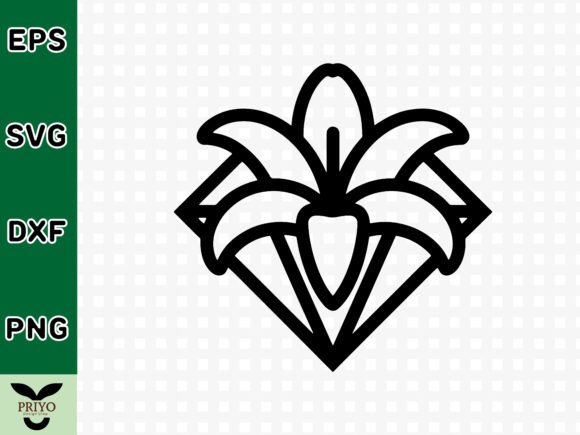
Opening the Lily Flower Silhouette in Geometric Diam file, the immediate impression is one of structured elegance. The geometric frame provides a clean, modern anchor, while the floral silhouette introduces organic softness. This creates a mood that is both contemporary and gently feminine, suggesting a brand personality that is thoughtful, refined, and inherently creative. It feels premium without being overly formal, handmade without being rustic. For my candle client, whose products are delicate and scent-focused, this balance was promising. It could visually communicate the care in her craftsmanship while appealing to a modern aesthetic.
Where This Design Asset Excels in Real Business Applications
In practical terms, the versatility of this graphic design asset is its greatest strength. For a small business, a single, well-structured design can be the cornerstone of a cohesive brand identity, saving both time and budget.
For my candle project, we explored its application across several key touchpoints:
- Product Label & Packaging Design: The geometric frame served as a perfect container for the brand name and product details on the primary label. The lily silhouette, used as a secondary accent on the box sleeve, created immediate visual continuity.
- Promotional & Social Media Graphics: For Instagram posts announcing a new floral scent series, the design became the hero graphic in social media graphics and email banners, ensuring campaign consistency.
- Brand Collateral: Simplified versions worked beautifully on thank-you cards, price lists, and hang tags. The clear SVG format allowed easy scaling and color adaptation for each use.
- Product Mockups & Web Design: In online store product mockups, the design provided a recognizable visual signature, strengthening product recognition across her digital catalog.
This one asset helped build a stronger first impression, more professional packaging, and a clearer visual hierarchy across all her materials. For a food business, a florist, or a skincare brand, the applications are similar: a central, elegant motif for labels, menus, or website banners that fosters customer trust through polished, consistent marketing visuals.
Strategic Placement: The Hero Accent and Decorative Element
Based on this evaluation, I recommend using the Lily Flower Silhouette in Geometric Diam as a hero graphic or a strategic decorative element. It works best as a focal point on clean, uncluttered surfaces like a product label’s primary panel, a promotional poster, or a boutique’s window decal. It’s also excellent as a repeating pattern element for gift wrap or as a refined accent on business cards and flyers. For seasonal campaigns—think a spring product launch or a Mother’s Day promotion—this design can be easily adapted to create festive, thematic packaging without needing a completely new identity.
Considerations for Careful and Effective Application
However, effective commercial design requires knowing a tool’s limits. This design, while versatile, should be applied with care in certain contexts.
- Crowded Layouts: On packaging with extensive legal text, ingredient lists, or warnings, the intricate geometric frame might compete with critical information. It’s better used on a separate, more decorative panel.
- Very Small Scales: When shrunk to fit on a tiny jar lid or a mini sticker, the details of both the lily and the frame may become indistinct. Always preview it at the final print size.
- Extreme Minimalist or Formal Brands: For a luxury minimalist brand or a formal corporate identity, the decorative nature of the asset might feel too ornate. Its mood leans towards creative, artisan businesses.
- Low-Contrast Backgrounds: Its effectiveness depends on clear contrast. Testing it on your actual packaging material color or website background is essential.
A Designer’s Practical Checklist Before Client Use
Before committing this asset to a client’s small business branding, I follow a simple, real-world checklist:
- Confirm Commercial Licensing: Ensure the license explicitly covers physical product sales, packaging design, and client work.
- Test on Real Mockups: Place the design on actual digital mockups of your client’s box, bottle, or bag. Does it enhance shelf appeal?
- Check Print & Editability: Review the SVG for clean, editable paths if color changes are needed. Preview the PNG’s transparency on various backgrounds.
- Evaluate Typography Pairings: Test the graphic beside your chosen brand fonts—a sleek sans serif for modernity, a delicate script for femininity, a bold display font for impact. Does it harmonize?
- Compare Competitor Context: View it alongside your client’s competitor packaging. Does it help their product stand out with a unique, yet professional, brand presentation?
- Assess Monochrome Utility: How does it function in black and white, or in a single brand color, for cheaper print runs or stamped applications?
The Lily Flower Silhouette in Geometric Diam, when treated as a strategic design asset rather than just a decoration, becomes a powerful tool for building a local business’s visual world. It supports the journey from a handmade product to a trusted brand by providing a consistent, elegant thread through every customer interaction—from the first glance at a product label to the lasting impression of a social media campaign. For the creative entrepreneur, that’s where true value lies: in a graphic that not only beautifies but also communicates and consolidates their brand’s story.